Dental crowns help Glendale patients protect teeth that are cracked, worn down, or weakened after a root canal. At Family Dentist Glendale, the focus is on a crown that fits cleanly, looks natural in your smile, and holds up to daily chewing. Patients from nearby Burbank, Pasadena, and the east side of Los Angeles often come in for restorative care that is planned around comfort and timing.
As of April 2026, Dental Crowns in Glendale, California are used to rebuild teeth that are too damaged for a simple filling but still worth saving. Family Dentist Glendale helps patients choose a crown material and treatment plan that matches the tooth, the bite, and the visible smile line. Glendale patients often schedule online when they need protection after decay, fracture, or root canal therapy.

Dental crowns are not just about covering a tooth, they are about restoring how that tooth functions every day. In Glendale, that matters for patients who need to chew comfortably, speak clearly, and avoid another round of treatment on the same tooth.
Family Dentist Glendale sees many Greater Los Angeles patients who want practical restorative care without a long commute across the basin. The office is in Glendale, which makes it easier for nearby patients to come in for an exam, crown prep, placement, and follow-up when the schedule needs more than one visit.
Book Free ConsultationKey data pointAs of April 2026, dental crowns remain one of the most useful ways to save a tooth that is cracked, worn, or weakened by decay. In Glendale, patients often choose this treatment because it restores function without removing the tooth. When planned well, a crown can protect the tooth and improve the smile at the same time.
Dental crowns are custom-made caps placed over a tooth to strengthen it, rebuild its shape, and improve how it looks. They are commonly used when a tooth has a large filling, a fracture, severe wear, or has been treated with a root canal.
Crowns can be made from porcelain, ceramic, porcelain-fused-to-metal, or other materials depending on the tooth’s location and bite forces. The goal is to seal and support the tooth while blending it into the rest of the smile as naturally as possible.
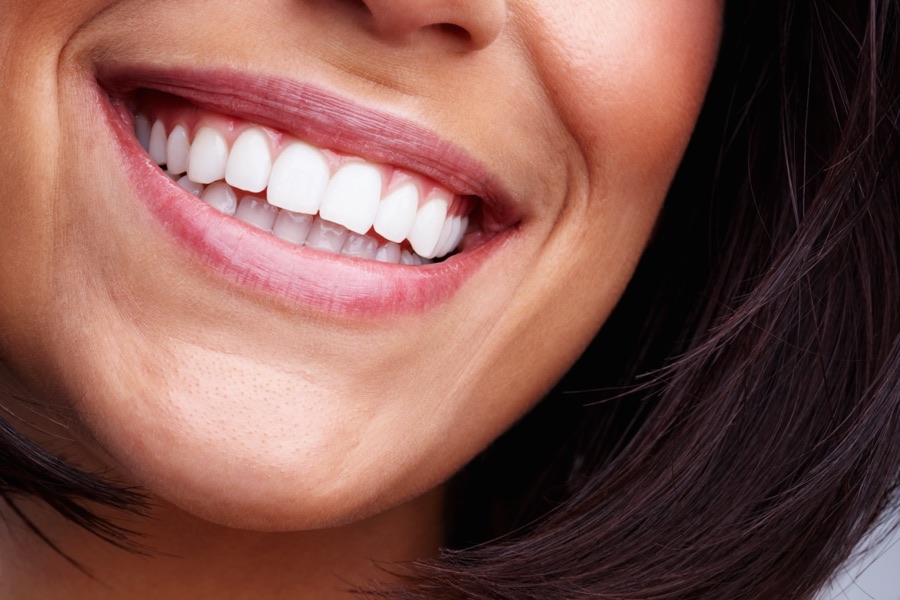
Putting off smile improvements can mean missed opportunities,social confidence, career milestones, and everyday interactions are all influenced by how comfortable you feel showing your teeth. Small issues can also change over time and become harder or more expensive to treat. If you’ve been thinking about a change, a short consult can clarify options and timing so you can decide with confidence.
Crowns are often recommended when a tooth needs more support than a filling can provide. For Glendale patients, that can mean protecting a back molar that does heavy chewing or rebuilding a front tooth that shows when you smile. They can also help stop a weakened tooth from cracking further and can improve the appearance of teeth that are misshapen or heavily discolored.
You may be a good candidate if the tooth still has enough healthy structure to support a crown and the surrounding gums are in stable condition. A crown is usually considered when the tooth can be saved, but it needs more protection than a filling or bonding.
Your bite, gum health, and the amount of decay or fracture all affect the plan. Glendale patients who grind their teeth or have older dental work that keeps failing often benefit from a crown evaluation.
A crown can make a damaged tooth usable again instead of leaving it vulnerable to more breakage. For Glendale patients, that often means less worry when eating on one side and a lower chance of needing a bigger repair later.
Crowns can also improve the appearance of teeth that look uneven, dark, or worn. When designed carefully, they blend into the smile while restoring strength and function.
Real Dental CrownsAs of April 2026, patients choose Family Dentist Glendale because the office combines restorative planning with a location that works for nearby Greater Los Angeles commuters. More than 8,500 patients served reflects a practice that understands how to keep crown care practical, clear, and focused on long-term tooth stability. Online booking makes it easier to start when a tooth cannot wait.
Crowns are a reliable treatment, but they are still a dental restoration that depends on fit, bite balance, and home care. Some teeth may need a root canal before a crown if the nerve is too damaged, and some patients feel temporary sensitivity after preparation.
Crowns can also chip, loosen, or wear over time, especially if the bite is heavy or the patient grinds at night. Good follow-up and routine cleanings help reduce those risks.
Your visit usually starts with an exam of the tooth, surrounding gums, and bite. If needed, digital X-rays help show how much structure is left and whether the tooth needs additional treatment before a crown.
From there, the dentist explains whether a crown is the right option and what material may fit best. Glendale patients often want to know how many visits the case will take, what the tooth will look like, and whether a temporary crown is needed while the final restoration is made. The plan is explained in plain language so you can decide what fits your timeline and budget.
60-minute exam with photos, X-rays, bite analysis, and aesthetic goal discussion.
Digital simulation combining veneers, whitening, and alignment into one preview.
Sequenced plan with locked written pricing for each phase.
Dental Implants first if needed (4 to 9 months) to straighten the foundation.
ZOOM or take-home trays brighten before veneer shade matching.
Porcelain veneers, bonding, and contouring for the finishing detail.
Final placement, bite adjustment, polish, and professional photos.
6-month exams, custom night guard, and 5-year craftsmanship warranty.
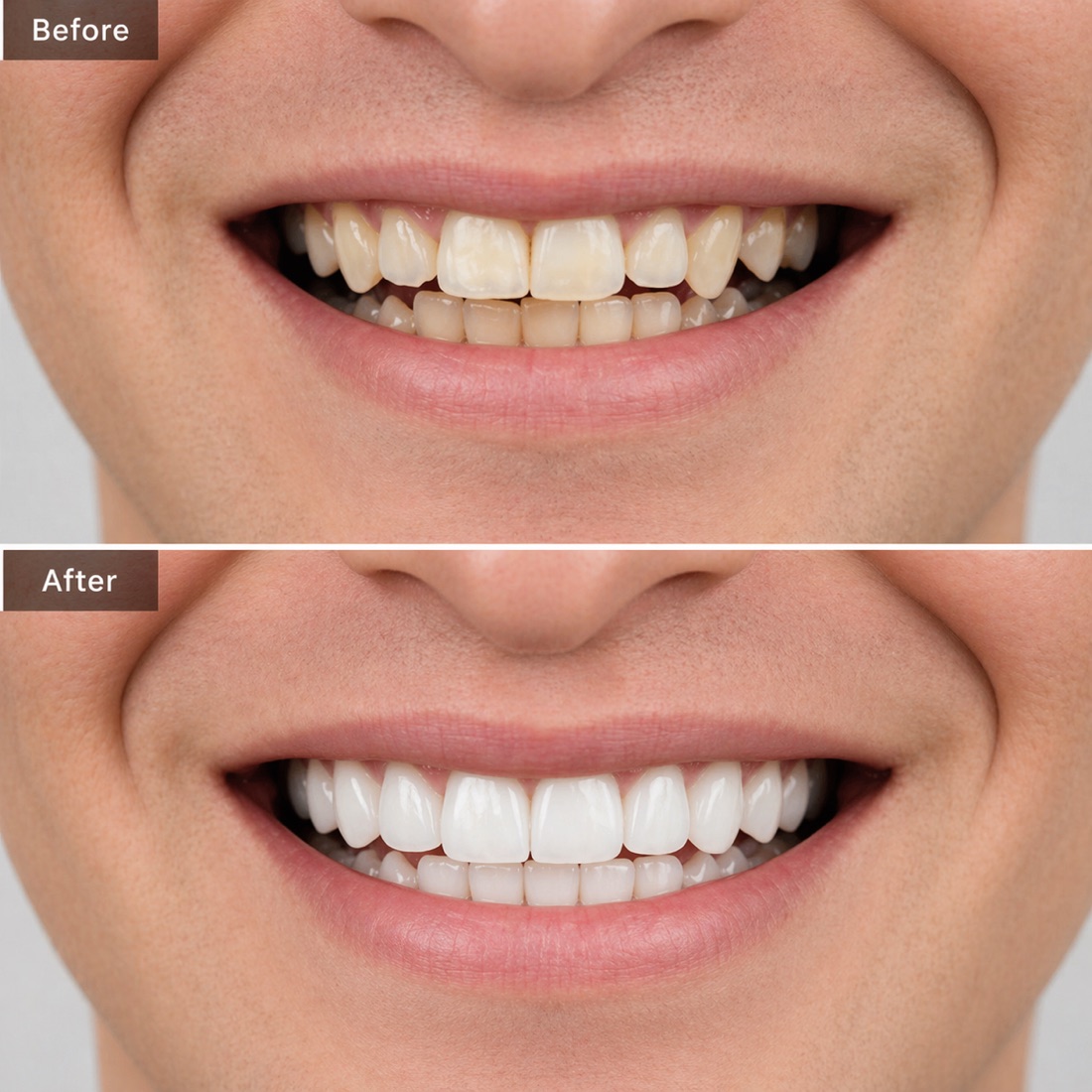
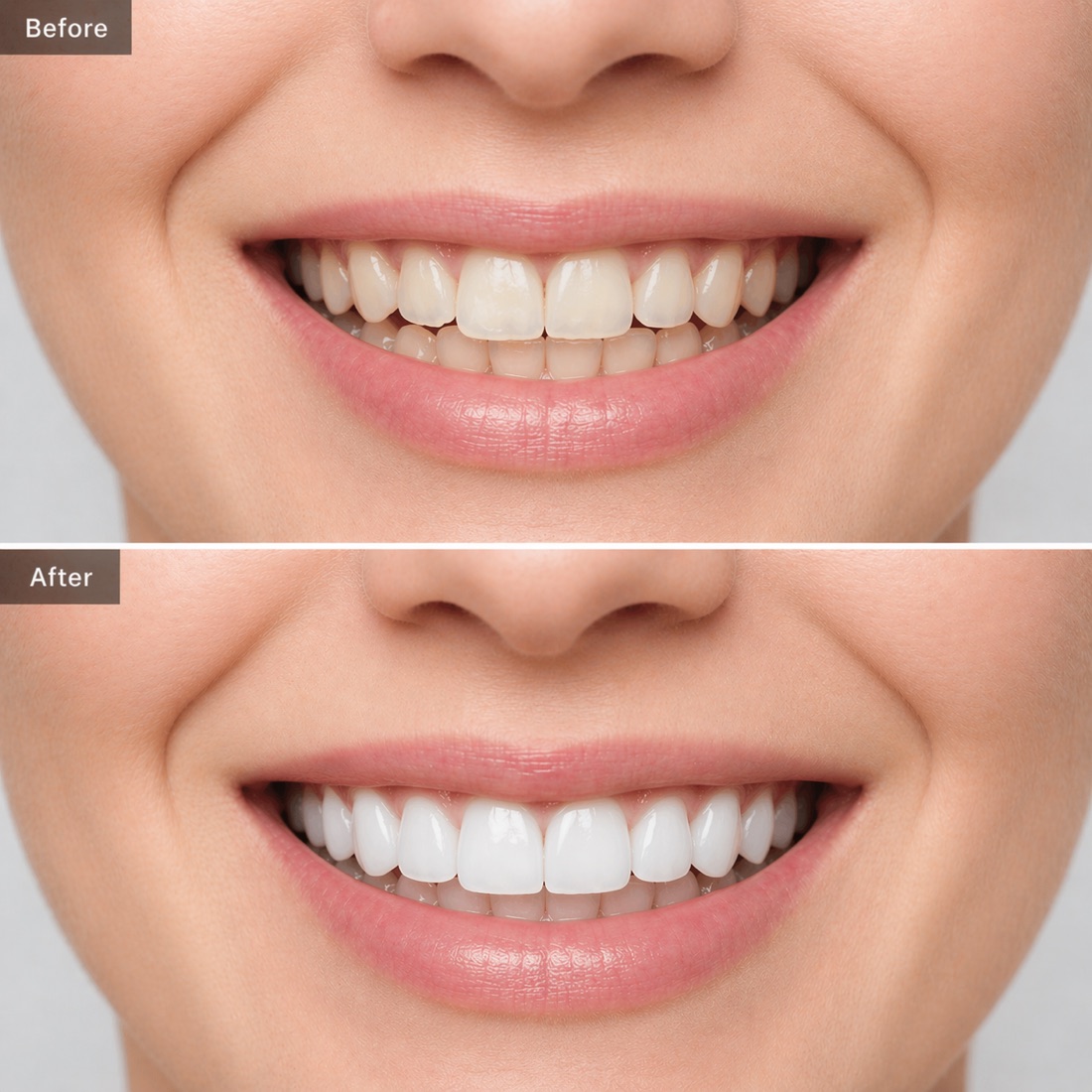
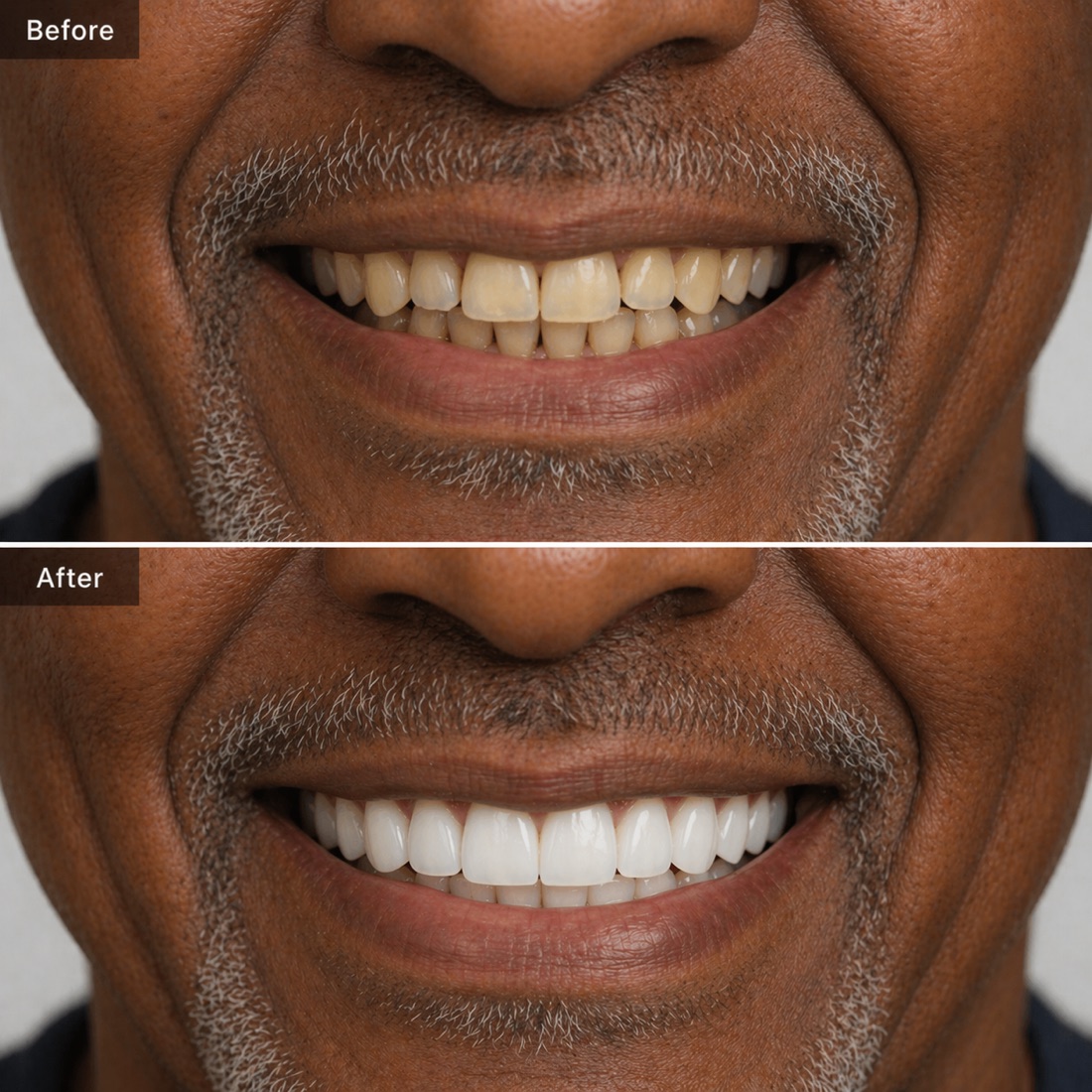
Crown treatment can change how a tooth feels long before it changes how it looks. These examples show how a damaged tooth can return to stable chewing, cleaner edges, and a more predictable bite.
Free 3D Smile Design · No Obligation
Patients often mention the fit, the clarity of the plan, and how natural the crown looks next to nearby teeth.
Dental crowns often last 10 to 15 years, and many last longer with strong home care and routine checkups. The lifespan depends on the material, the size of the bite forces on that tooth, and whether you grind at night. A crown that fits well and is cleaned carefully can stay functional for many years.
A crown is usually recommended when the tooth is too damaged for a filling to hold up. If decay or fracture affects too much of the tooth, a filling may not seal or support it well enough. The dentist will check how much healthy enamel remains and explain whether a crown is the safer long-term option.
Many crown cases take two visits, one for preparation and one for placement, although timing can vary by tooth and treatment needs. Some teeth also need a temporary crown between visits. If the tooth needs extra work first, such as decay removal or a root canal, the total timeline can be longer.
A crown covers the entire visible tooth and is used to restore strength as well as appearance. A veneer covers only the front surface and is mainly family. If the tooth is weak, cracked, or heavily restored, a crown is usually the more protective choice. Cleanings are better for selected front-tooth family changes.
Yes, tooth-colored crown options are often chosen for front teeth and for patients who want the restoration to blend with the smile. Shade matching matters, especially on teeth that show when you talk or laugh. The dentist can review whether ceramic or porcelain is the better fit for your tooth and bite.
Family Dentist Glendale is located in Glendale, which makes it a practical drive for many nearby Greater Los Angeles patients. Depending on traffic, Burbank, Pasadena, and East Los Angeles residents often reach the office in roughly 15 to 30 minutes. Patients coming from farther areas usually plan around rush hour and book online ahead of time.
| Crown type | What it includes | Time | Cost | Lifespan | Best for |
|---|---|---|---|---|---|
| Porcelain (Ceramic) | All-ceramic, tooth-colored | 2 visits, 2 weeks | $1,000 to $2,500 | 10 to 15 years | Front teeth, aesthetic priority |
| Porcelain-Fused-To-Metal | Metal core + porcelain shell | 2 visits, 2 weeks | $1,000 to $2,000 | 10 to 15 years | Back teeth, balance of strength + look |
| Zirconia | Ultra-durable ceramic | 2 visits, 2 weeks | $1,200 to $2,800 | 15 to 20 years | Heavy chewing forces, long-term |
| Same-Day CEREC | Milled in office | 1 visit, 90 minutes | $1,200 to $2,500 | 10 to 15 years | Time-sensitive single-tooth crown |
You came in for a dental crowns plan, but our Glendale practice offers each service individually as well. Explore the components.
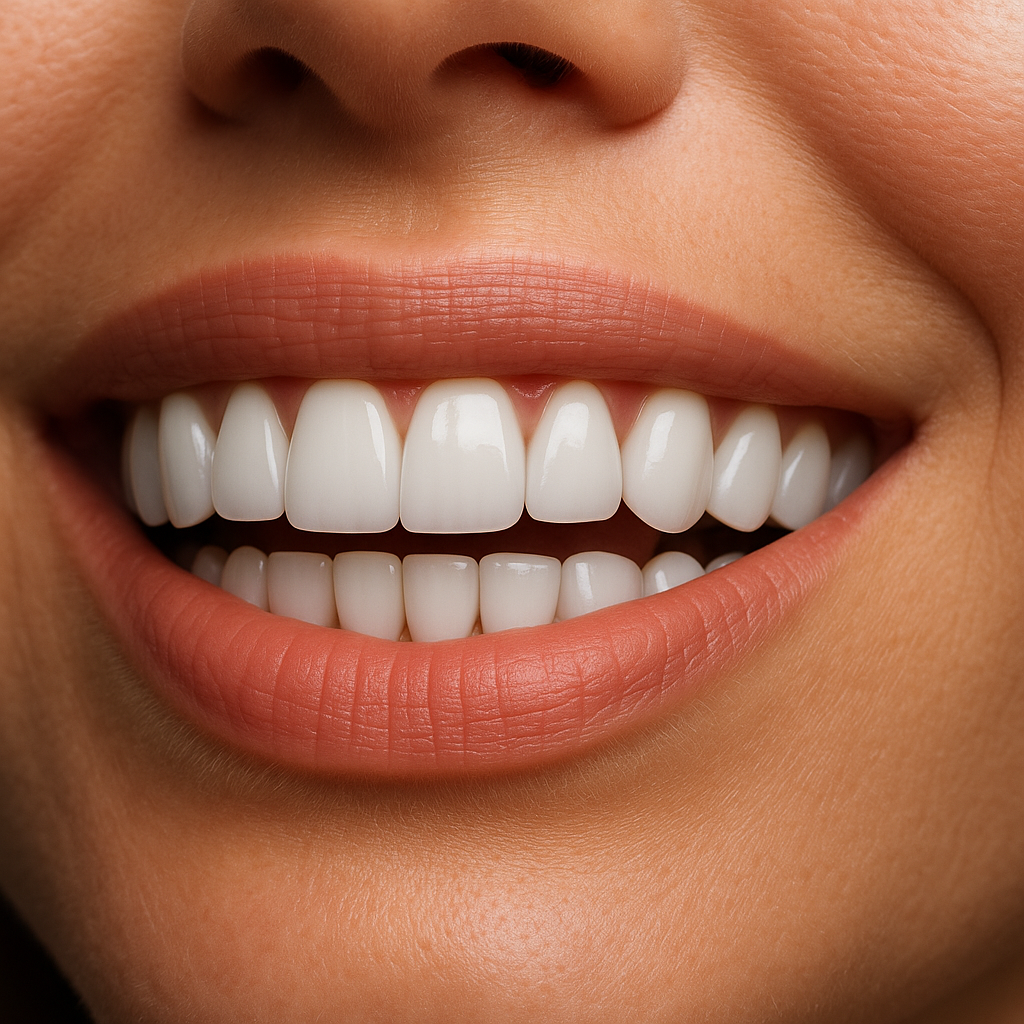
Ultra-thin porcelain shells correct chips, stains, gaps, and alignment in 2 to 3 visits.

In-office ZOOM delivers 8 shades brighter in 90 minutes. Take-home trays also available.
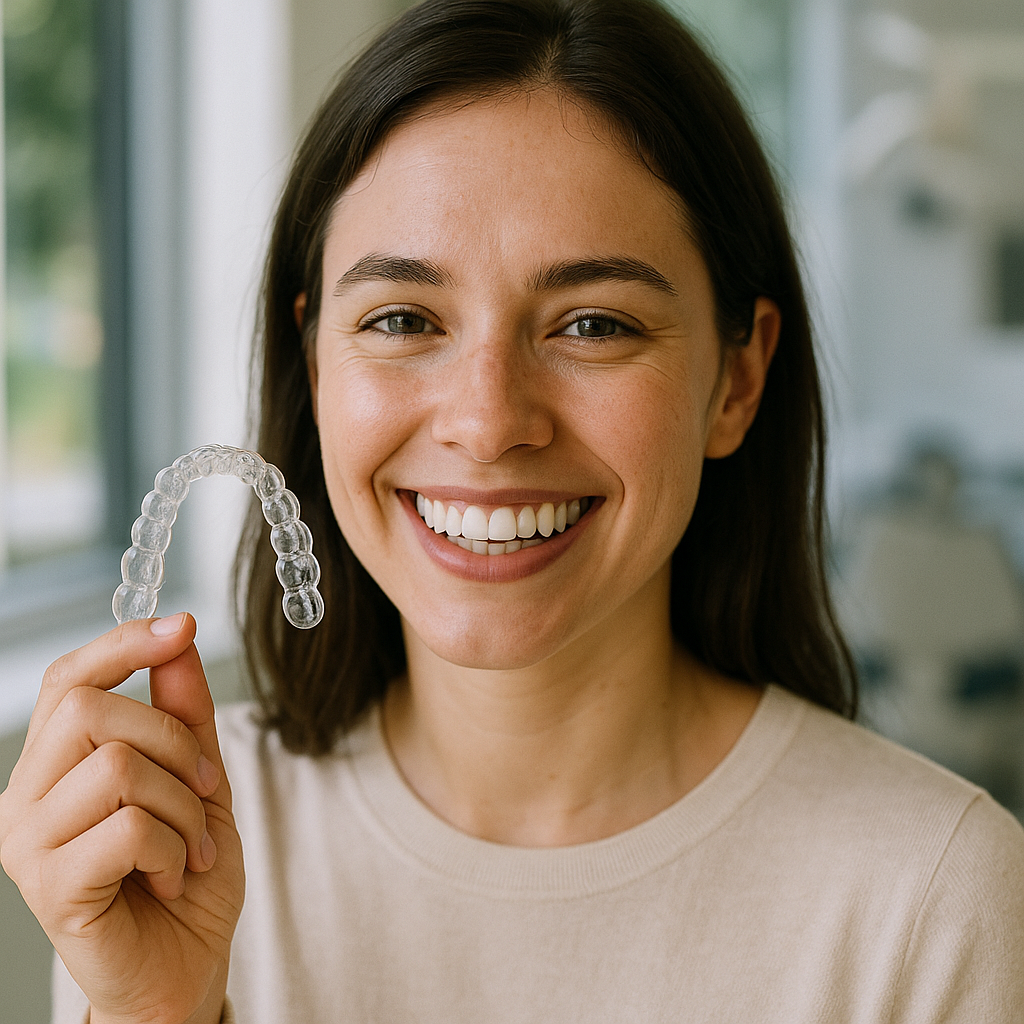
Clear removable aligners straighten teeth discreetly over 6 to 18 months, no metal.
Our experienced team has transformed 8,500+ smiles across Los Angeles County and the surrounding areas. Each city below has its own patient guide, click to see commute times, local context, and what to expect at your visit.
Don't see your city? Give us a call, we see patients from all across Southern California.
If you need dental crowns in Glendale, book online to review your tooth, your bite, and the crown option that fits your schedule.